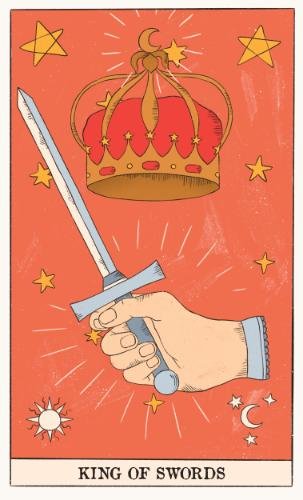
King of Swords
Keywords
Upright Meaning
The King of Swords upright denotes a person or energy characterized by exceptional mental acuity, strong communication skills, and an unwavering commitment to truth. This king rules through intellect rather than emotion, making decisions based on careful analysis and objective reasoning. In readings, this card suggests you should rely on your analytical abilities and trust your rational mind to navigate current circumstances. The King of Swords often represents an authority figure—a mentor, lawyer, teacher, or leader—who demands respect through their knowledge and fairness. This card encourages you to speak your truth clearly and directly, cutting through confusion or deception with precision. However, the upright King also warns against becoming overly detached or cold in your approach. While intellectual superiority is valuable, remember that wisdom includes understanding human emotions and perspectives beyond pure logic. This card invites you to become a clearer thinker, better communicator, and more principled decision-maker. Professional advancement often accompanies this card's appearance, particularly in fields requiring analytical thinking, communication, or leadership. The King of Swords asks: are you using your intelligence with integrity? Are you communicating with clarity and purpose? This card affirms that clear thinking and honest words are your greatest tools for success and influence.
Reversed Meaning
The King of Swords reversed suggests a misuse of intellect, poor communication, or clouded judgment. This position often indicates someone using their intelligence manipulatively, employing words as weapons rather than tools for understanding. Communication may become harsh, cutting, or designed to confuse rather than clarify. In readings, this reversal warns against overthinking situations to the point of paralysis or using logic to justify emotionally harmful behavior. You might encounter someone abusing their authority or expertise, or you yourself may be struggling with arrogance about your own knowledge. The reversed King can indicate communication breakdowns, misunderstandings, or arguments based on stubbornness rather than truth-seeking. This card may also suggest you're isolated by excessive intellectualization, preventing genuine connection with others. Mental clarity becomes obscured by bias, prejudice, or refusal to consider alternative viewpoints. There's a warning here about creating unnecessary conflict through harsh criticism or superiority complexes. The reversed King invites self-reflection: Are you listening or just waiting to speak? Are you using knowledge to help or to dominate? Recovery involves humbling yourself, improving listening skills, and remembering that intelligence without compassion becomes cruelty. This reversal calls for breaking patterns of miscommunication and reconnecting logic with empathy.
Yes/No Meanings
In Love
Maybe—this card suggests intellectual connection or logical assessment rather than passionate emotion, so it depends on whether you value mental compatibility over romance.
In Career
Yes—this card strongly indicates professional success through intelligence, communication skills, and authoritative leadership.
In Finances
Maybe—financial decisions should be made with clarity and analysis, but be cautious about becoming too detached from practical realities.
In Spirituality
Maybe—while intellectual understanding has value, spiritual growth requires balancing logic with intuition and heart-centered wisdom.
Symbolism
The King of Swords typically appears seated on a throne, often depicted against a stormy or clear sky, emphasizing the element of air and mental clarity. His sword, held upright, symbolizes truth cut through illusion and confusion. The throne's design frequently includes winged motifs or cloudy imagery, representing the swift movement of thought and the realm of intellect. The king's formal attire and composed demeanor reflect mastery and control over the mental realm. His gaze is penetrating and discerning, suggesting the ability to see through deception. The background often shows turbulent weather or clear conditions, representing how air element brings both clarity and volatility. Crowns adorning the king signify authority earned through wisdom and intellectual achievement rather than birthright. The upright sword represents the power of words and thought to cut through complexity. Overall, the symbolism emphasizes that this king's power derives from mental faculties, communication skills, and the ability to perceive truth where others see confusion.
Practical Advice
When the King of Swords appears, prioritize clear communication in all your dealings. Write down important information, speak with precision, and don't assume others understand your meaning. If facing a decision, gather facts and analyze them objectively before proceeding. Seek advice from knowledgeable mentors or experts in relevant fields. Practice active listening—the King of Swords masters communication by truly hearing others, not just preparing responses. Set clear boundaries through direct, respectful communication. If you're developing leadership skills, focus on building credibility through expertise and fair judgment. However, temper your analytical approach with empathy. Remember that people need both facts and understanding. This card encourages you to become a clearer thinker while remaining open to perspectives different from your own.
Example Scenarios
Scenario 1
A job interview candidate draws this card while preparing. It suggests they should emphasize their analytical skills, communication abilities, and problem-solving approach during the interview. Their intellectual preparation and clear articulation of their qualifications will resonate with hiring decision-makers. Success depends on demonstrating both competence and the ability to communicate expertise effectively.
Scenario 2
Someone navigating a conflict draws this card reversed. It indicates their harsh words or stubborn refusal to listen has created division. They should pause before speaking further and genuinely consider the other person's perspective. Real resolution requires setting aside the need to win the argument and focusing on honest, compassionate communication that seeks understanding rather than victory.
Scenario 3
A student questioning their major draws this card upright. It suggests they should trust their intellectual abilities and pursue studies aligned with their analytical strengths, perhaps in law, science, communication, or philosophy. Their natural intellectual curiosity and capacity for clear thinking indicate they're on the right path professionally and academically.