Death
Keywords
Upright Meaning
The Death card in upright position represents profound transformation, closure, and necessary endings that create space for new beginnings. This is not about physical death but rather the symbolic death of old patterns, relationships, careers, or belief systems that no longer serve your growth. When Death appears, you're being called to release what's outworn and embrace change, even when it feels uncomfortable or unwanted. This card indicates a natural cycle of life where old structures must crumble to make room for renewal. It suggests you're at a threshold moment—a significant turning point where resistance is futile and acceptance is necessary. The transformation may feel like loss initially, but it's ultimately regenerative. Death encourages you to trust the process of change, understanding that endings are temporary states leading to rebirth. This card appears when you need courage to let go, whether that's outgrown habits, toxic relationships, limiting beliefs, or stagnant situations. It's about surrendering to life's natural cycles rather than clinging to what was. The energy here is not destructive but evolutionary, pushing you toward your highest potential by clearing away obstacles to growth.
Reversed Meaning
Reversed Death suggests resistance to necessary change, stagnation, and fear of transformation. You may be clinging to situations, relationships, or identities that have already ended or outlived their usefulness, prolonging pain through avoidance. This position indicates difficulty accepting life's natural cycles and the courage required for major transitions. You might be experiencing delayed endings—situations that should conclude but persist due to your reluctance to release them. The reversed card warns against denial of obvious truths or avoiding difficult decisions that would ultimately benefit you. There's often a sense of being stuck, unable to move forward because you're unwilling to let the past die. This can manifest as procrastination on important life changes, fear of the unknown, or attachment to security even when it's unhealthy. However, reversed Death can also suggest the ending is approaching more slowly than expected—change is still coming but faces obstacles. It's a call to examine what you're afraid to release and why. Are you afraid of failure, loss of identity, or stepping into unknown territory? The card invites you to identify fears beneath your resistance and gradually build courage for necessary transformation.
Yes/No Meanings
In Love
Maybe—Death suggests significant relationship change rather than simple yes/no answers, indicating transformation rather than status quo.
In Career
Yes—This card supports career transitions, new directions, and leaving stagnant positions for growth opportunities.
In Finances
Maybe—Financial transformation is indicated, but outcomes depend on whether you release old money patterns and embrace necessary changes.
In Spirituality
Yes—Death strongly supports spiritual transformation, awakening, and the death of ego necessary for enlightenment.
Symbolism
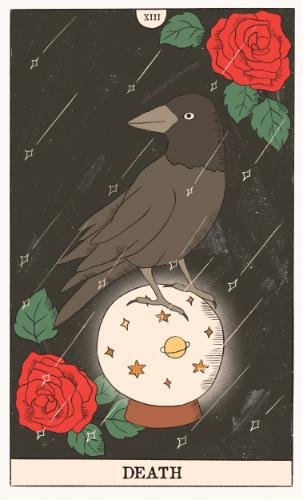
The Death card traditionally depicts a skeleton wielding a scythe, a universal symbol of inevitable fate and life's harvest. The skeleton represents the stripped-down essence of life, removing illusions and superficial appearances. The scythe suggests cutting away what's dead or dying, clearing space for new growth—agricultural imagery connecting to seasonal cycles and natural renewal. Often, figures in various states of grief or acceptance appear beneath the skeleton, representing humanity's relationship with change. The color palette frequently includes dark tones symbolizing the unknown and mystery of transformation, balanced with lighter colors suggesting hope and new beginnings. A river or water frequently appears, representing the boundary between one state and another, the crossing into new territory. Banners or roses may symbolize dignity, beauty, and hope persisting even through endings. The overall composition conveys inevitability while maintaining dignity, suggesting that while change cannot be avoided, it can be met with grace. This imagery collectively communicates that death—whether literal or metaphorical—is not punishment but a natural, essential cycle of existence.
Practical Advice
When Death appears in your reading, first acknowledge that change is necessary and resistance only prolongs discomfort. Identify specifically what needs to end—whether relationships, jobs, habits, or beliefs—and create a concrete action plan for closure. Don't rush the process; transformation takes time. Journal about what you're releasing and why, processing emotions fully rather than suppressing them. Seek support from trusted friends, therapists, or mentors who can guide you through transition. Establish new routines and practices that align with your emerging self. Remember that endings create space for new opportunities; stay open to unexpected possibilities. Trust your intuition about timing—sometimes you must wait for natural conclusions rather than force endings prematurely.
Example Scenarios
Scenario 1
A person in a long-term relationship questions compatibility; Death indicates this relationship cycle is ending, whether through breakup or transformation into friendship, making space for aligned partnerships.
Scenario 2
An employee faces company restructuring; Death suggests this job ending, while painful, creates opportunity for career alignment with true purpose and talents better utilized elsewhere.
Scenario 3
Someone struggles with addictive patterns; Death represents the death of the addicted identity and old coping mechanisms, signaling readiness for recovery and rebirth into healthier versions of self.