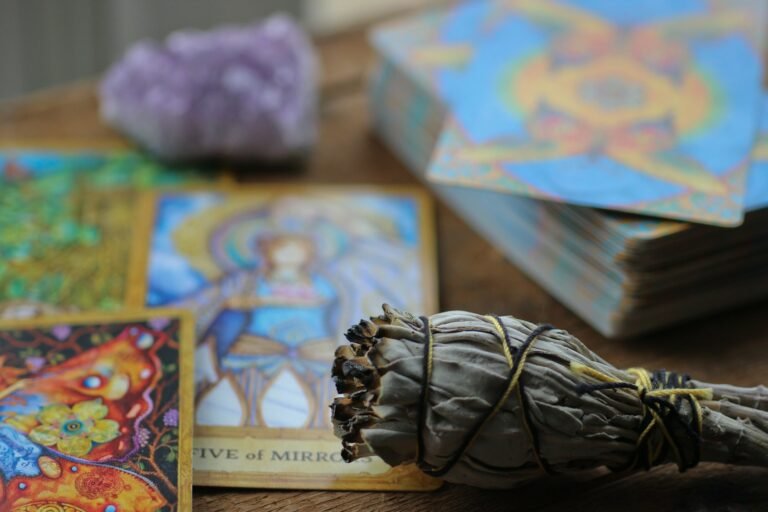
Tarot as a Mirror, Not a Judge: Embracing Reflection Over Judgment

When I first began my journey with tarot, I, like many newcomers, harbored a subtle whisper of skepticism. How could a set of cards, simple and worn, hold meaning? More than that, I feared judgment—would the cards condemn me for my choices or expose flaws I wasn’t ready to face? Over time, however, I’ve come to understand something far more profound. Tarot is not a judge sitting on a high throne, weighing right and wrong. Instead, it serves as a mirror, reflecting back to us the complex, nuanced truths we carry within.
This distinction is subtle but essential. We often approach tarot with expectations rooted in judgment—hoping for a definitive answer, a verdict on our decisions or character. But tarot’s true power lies in its ability to illuminate aspects of our inner world, encouraging us to see with greater clarity rather than to pass harsh judgment.
Tarot as a Reflective Tool
Imagine standing before a mirror. The reflection shows you your current appearance—your posture, expression, attire. It doesn’t criticize your outfit choices or chastise you for a bad hair day; it simply reveals what’s there. Tarot functions similarly. The cards offer symbols, archetypes, and images that resonate with our subconscious, bringing hidden feelings, fears, hopes, and contradictions into view.
When I pull cards, I remind myself that the images are prompts, not pronouncements. The Death card, for example, doesn’t predict physical death but rather hints at endings, transformations, or shedding old layers. The Seven of Swords may suggest deception or cunning, but it can also reflect the need to be strategic or protect oneself. The meaning depends greatly on the context and, importantly, on the querent’s internal landscape.
Approaching tarot as a mirror acknowledges our active role in interpretation. We bring our own stories, values, and emotions to the reading, making it a co-creative process. It’s about dialogue and discovery, not a one-sided judgment.
Spirituality, Compassion, and Tarot
Spiritual growth often involves confronting uncomfortable truths, facing shadows, and embracing complexity rather than easy answers. Tarot, when treated as a reflective companion, supports this process beautifully. It encourages compassion—not just toward others, but toward ourselves.
One of the most profound lessons I’ve learned through tarot is the value of gentle self-reflection. When a difficult card appears, instead of recoiling or feeling condemned, I try to ask: “What might this be showing me about my current situation?” or “How could this message guide me toward greater understanding or healing?” This shift from fear to curiosity softens the experience and opens the door to growth.
Moreover, tarot’s archetypal imagery connects us to timeless narratives. These stories remind us that struggle, change, and imperfection are universal human experiences—not personal failures. Seeing myself in the cards as a hero, a seeker, or someone undergoing transformation helps me cultivate patience and kindness with my own process.
Practical Guidance: How to Use Tarot as a Mirror
If you’re new to tarot or looking to deepen your practice, here are some gentle suggestions to foster a reflective mindset:
1. Set an Intention of Openness: Before shuffling, center yourself with a breath or brief meditation. Invite the cards to show you what you need to see rather than what you want to hear.
2. Journal Your Responses: After a reading, write down not only the card meanings but also your feelings and associations. What thoughts arise? What memories or sensations come up? This practice turns the reading into an interactive conversation.
3. Avoid Snap Judgments: Resist labeling a card as “good” or “bad.” Instead, consider its energy as a dynamic part of your life’s story. Even challenging cards offer important insights that can lead to positive change.
4. Use Questions That Invite Exploration: Instead of asking “Will I fail?” try “What can I learn from this situation?” or “What part of me needs attention now?” This reframes the reading as an opportunity for growth.
Lastly, remember that tarot is a tool—one among many on a spiritual path. It doesn’t replace intuition, self-awareness, or professional advice when needed. Instead, it complements these resources by fostering a deeper connection to ourselves.
Reflections on Human Complexity
What I find endlessly fascinating about tarot is its capacity to hold contradictions gracefully. A single card can contain joy and sorrow, triumph and struggle, clarity and mystery. This mirrors the human condition itself—rarely black or white, often shaded with nuance.
Approaching tarot as a mirror encourages us to embrace our whole selves, not just the polished or socially acceptable parts. It asks us to sit quietly with discomfort, to recognize the patterns and stories that shape our choices, and to find wisdom in the process of self-examination.
In a world quick to judge and categorize, tarot invites a slower, more compassionate gaze. It reminds us that the journey of self-discovery isn’t about perfection but about honesty, courage, and the gentle unfolding of insight. When we hold the cards in our hands, we hold a reflection of our own soul’s landscape—complex, beautiful, and always evolving.
So, next time you approach your deck, try to see the cards as a faithful mirror rather than a stern judge. Allow them to reveal not just what you fear or desire but the fuller story of who you are. In doing so, you might find that tarot becomes not just a divinatory tool but a true companion on the path to self-understanding and spiritual growth.