How Tarot Helps Heal People-Pleasing Patterns
People-pleasing is something I’ve witnessed—and personally felt—many times over the years. It’s a subtle, often overlooked dynamic that quietly shapes how we show up in the world. Rooted in a deep desire for acceptance and harmony, people-pleasing can, paradoxically, lead us away from our authentic selves and toward exhaustion, resentment, or confusion about our true needs.
As a tarot reader and seeker, I’ve found tarot to be a surprisingly gentle yet powerful companion in the journey of healing these patterns. Tarot doesn’t just predict or reveal—it invites reflection, encourages honest dialogue with oneself, and can illuminate the often unconscious motivations behind people-pleasing behaviors.
In this post, I want to explore how tarot can help us recognize, understand, and ultimately heal from people-pleasing patterns. I’ll be weaving together some spiritual reflections, practical guidance, and a few tips on working with your cards to nurture a healthier, more self-honoring relationship with yourself and others.
The Quiet Roots of People-Pleasing
People-pleasing often emerges from the need to feel safe and loved, especially when acceptance feels conditional. Maybe as children, we learned that affection came with good behavior, or that speaking up might lead to conflict or rejection. These early experiences can imprint a kind of code in our subconscious: “If I make others happy, I’ll be safe.”
But here’s the tricky part. Over time, this coping mechanism morphs into a pattern where saying “yes” becomes an unconscious reflex, even when it drains us or contradicts our genuine desires. We might fear disappointing others or being seen as difficult, so we keep our own needs tucked away. The trouble is, this denial of self doesn’t create real connection—it often builds walls instead.
Tarot as a Mirror and a Guide
Tarot acts like a mirror, reflecting back what’s happening beneath the surface. When we pull cards with the intention to explore people-pleasing patterns, we might uncover fears, limiting beliefs, or inner conflicts that are hard to access with just rational thought or journaling.
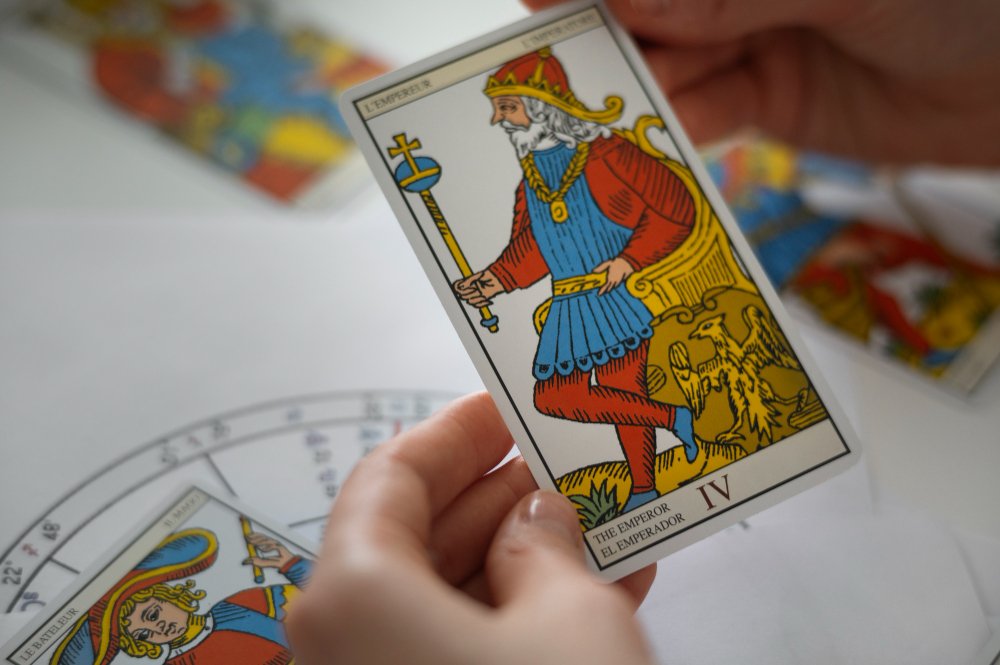
For example, the Seven of Cups can reveal the overwhelm of too many choices or the tendency to get lost in what others might want rather than what feels true. The Two of Swords might speak to the internal stalemate between pleasing others and honoring yourself. Meanwhile, the Emperor can encourage stepping into your own authority rather than bending under external pressures.
When approaching these cards, it’s important to cultivate a compassionate stance. Tarot is not here to judge but to invite curiosity and self-compassion. Sometimes, the cards highlight the pain or confusion at the heart of people-pleasing. Other times, they show us the strength and clarity waiting to be reclaimed.
Spiritual Reflection: Honoring Your Boundaries as Sacred
One of the deepest spiritual lessons tarot offers in this context is about boundaries—not as rigid walls, but as sacred lines that protect your energy and integrity. People-pleasing often blurs these lines, making it hard to say no or express discomfort.
When I work with clients on these themes, I often suggest they meditate on cards like the Queen of Swords, who represents clear communication and healthy boundaries. Visualizing this archetype can help us embody the courage to speak truthfully and kindly, even when it feels risky.
Spiritually, setting boundaries is an act of self-love and respect. It acknowledges that your needs and feelings matter just as much as anyone else’s. And here, tarot can remind us that this balance—between care for self and care for others—is a dance, not a battle.
Practical Guidance: Using Tarot to Interrupt the Pattern
If you’re recognizing people-pleasing tendencies in yourself, tarot can be a tool for gentle interruption and reorientation. Try these approaches:
1. Daily Draws with Intention: Pull a card each morning with the question, “How can I honor my needs today?” This primes your inner awareness to notice moments when you might be slipping into automatic pleasing.
2. Shadow Work Spreads: Create or find spreads designed to explore self-worth, fear of rejection, or boundary-setting. Cards pulled can help you identify the emotional roots and offer guidance on compassionate actions.
3. Journaling with Tarot: After a reading, write freely about what the cards stirred up. Ask yourself, “Where have I been compromising too much?” or “What would it look like to say no here?” Writing alongside your reading deepens insight.
4. Ritualizing No: Use tarot cards symbolizing strength and clarity to create small rituals around practicing saying “no.” For instance, holding the Strength card as you set an intention to honor your limits that day.
These practices don’t erase people-pleasing overnight—but they cultivate awareness and self-kindness, which are the fertile soil for lasting change.
Personal Reflection: The Journey Is Gentle
Healing people-pleasing patterns is not about harsh self-discipline or instant transformation—it’s about gentle unfolding. When I first started exploring these themes with tarot, I was surprised by how often the cards invited me to rest, to notice small wins, and to forgive myself for old habits.
One reading highlighted the Four of Swords, a card of rest and recuperation, reminding me that stepping back is sometimes the bravest choice. Another time, the Star card came up, whispering hope and renewal. These moments helped me see that healing is less a sprint and more a meandering river, finding new pathways over time.
In this way, tarot becomes a companion—not a taskmaster—in the work of breaking free from people-pleasing. It honors where you are today while gently inviting you toward fuller self-expression and balance.
Closing Thoughts
If you’re tangled in people-pleasing, know that you’re not alone. It’s a common, understandable pattern that many of us carry, often quietly. Tarot offers a warm, reflective space to explore this pattern without judgment, and spiritual wisdom that reminds us of our inherent worth beyond others’ approval.
By turning to the cards—whether through daily draws, deeper spreads, or personal ritual—you can begin to recognize when old patterns arise and choose new ways to respond. The journey may be gradual, but each step away from automatic pleasing is a step toward authentic freedom and self-love.
So, the next time you pull your deck, consider inviting it to show you where your people-pleasing lives, and how you might gently reclaim your voice. Your soul will thank you.